

The infrastructure of a modern city mosque: the Yardam Mosque and the Yardam – Help National Charitable Foundation
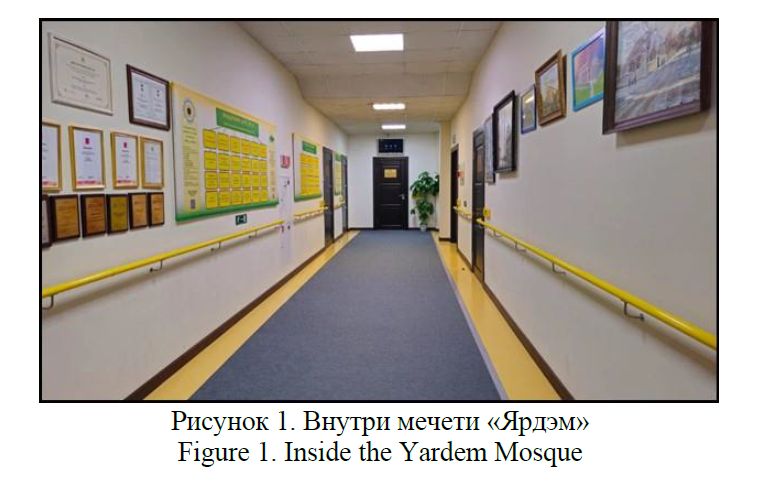
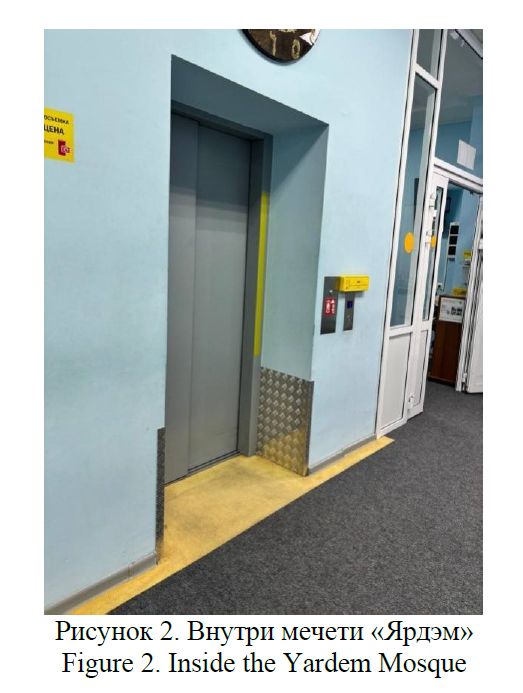
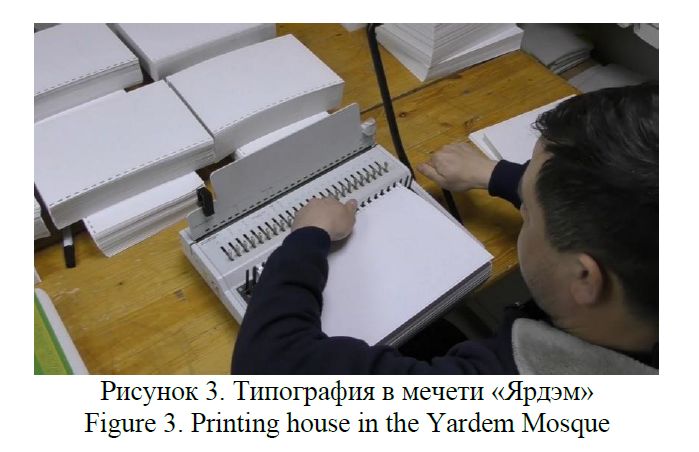
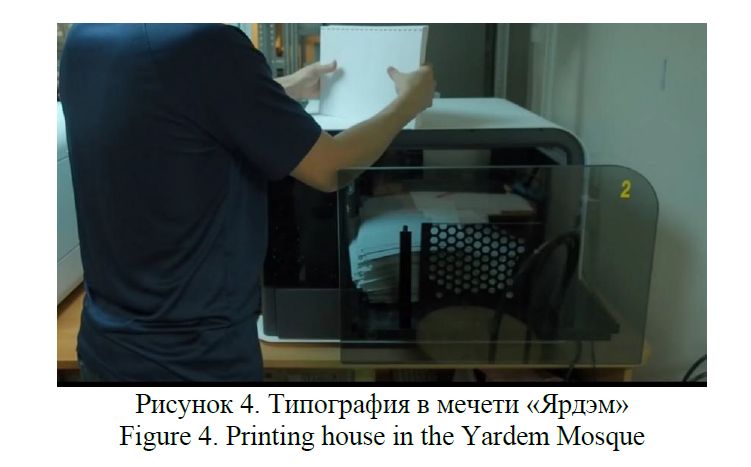
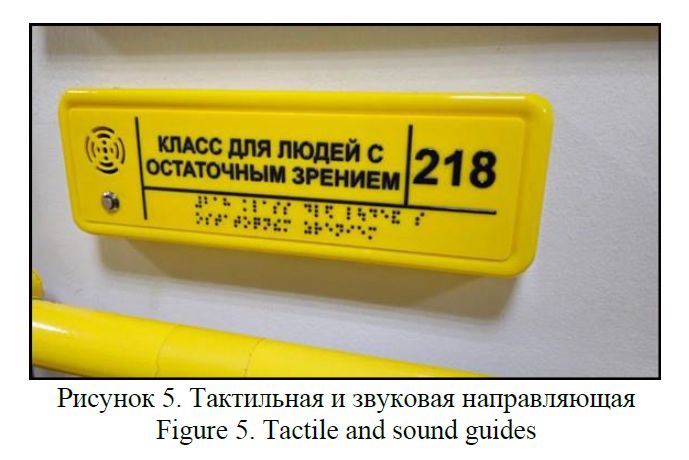
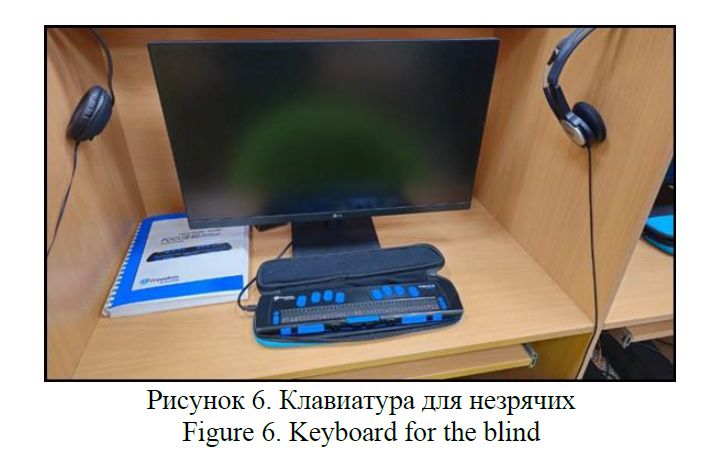
The article examines the transformation of the functions of a modern city mosque as a complex socio-religious institution using the example of the Yardem Mosque in Kazan and the charitable foundation. The relevance of the research is due to the increasing role of religious organizations in solving social problems of urban space. The purpose of the study is to analyze the model of functioning of a modern mosque as a multifunctional center for social support of the population. The methodology includes an integrated approach combining methods of interviewing employees, monitoring the activities of the institution and analyzing the material infrastructure. The theoretical basis of the research is the concept of spaces and locations, which considers the mosque as an open system that actively interacts with urban society. The case of the Yardem Mosque is a unique example of the integration of religious and social functions. A comprehensive system of assistance to various groups of the population has been formed on the basis of the religious institution, including a rehabilitation center for people with disabilities, a printing house, educational and sports infrastructure for rehabilitators. This case demonstrates the new functions of the modern city mosque as a center of pro-social activity, providing assistance regardless of religious affiliation. Thus, a religious institution can effectively perform broad social functions, becoming an important element of urban infrastructure and contributing to the development of an inclusive environment.
Figures
Gibadullina, M. R., Gafiyatullina, I. R., Zhunusova, D. S. (2026), “The infrastructure of a modern city mosque: the Yardam Mosque and the Yardam – Help National Charitable Foundation”, Research Result. Sociology and Management, 12 (3), 15-31. DOI: 10.18413/2408-9338-2026-12-3-0-2.















While nobody left any comments to this publication.
You can be first.
Arzumanov, I. A. (2009), ““Religious space” and “space of religious Culture”: the experience of cultural and methodological stratification”, Voprosy kul'turologii (5), 21-25, EDN: KYPTFL. (In Russian)
Baranova, V. V., Fedorova, K. S. (2017), “(In)visibility and (Out)location: labor migrants and the language landscape of St. Petersburg”, Gorodskie issledovaniya i praktiki, 2 (1), 103-121, EDN: ZVKYWH. (In Russian)
Bryazgina, D. E., Dzhanyzakova, S. D., Nam, I. V., Sadyrin, A. A., Smetanin, F. A. (2019), “Labor migrants from Central Asia in a Siberian city: infrastructure, employment, daily life, and leisure”, Demograficheskoe obozrenie, 6 (4), 31-52, EDN: ZRKPSJ. (In Russian)
Zagidullin, I. K. (2007), Islamskie instituty v rossiyskoy imperii: Mecheti v evropejskoy chasti Rossii i Sibiri [Islamic Institutions in the Russian Empire: Mosques in European Russia and Siberia], Tatarskoe knizhnoe izdatelstvo, Kazan, Russia, ISBN: 978-5-298-01534-9, EDN: QUJPVX. (In Russian)
Zagidullin, I. K. (2013), Traditsionnye musulmanskie obshchiny i ikh instituty [Traditional Muslim Communities and Their Institutions], Institut istorii AN RT, Kazan, Russia, 401-415. (In Russian)
Kolosovskaya, A. N., Ozheshkovskaya, I. N. (2024), “Archetypes in sacred structures: Christian churches and mosques”, Vestnik Polotskogo gosudarstvennogo universiteta. Seriya F. Stroitelstvo. Prikladnye nauki, (2), 36-41, DOI: 10.52928/2070-1683-2024-37-2-36-41, EDN: PTUKSY. (In Russian)
Kormina, Zh. V., Shtyrkov, S. A. (2015), «Eto nashe iskonno russkoe, i nikuda nam ot etogo ne detsya»: predystoriya postsovetskoy desekulyarizatsii [“This is our original Russian, and we can’t get away from it”: the prehistory of post-Soviet desecularization], Izd-vo Evropeyskogo universiteta v Sankt-Peterburge, Saint Petersburg, Russia, 7-45, EDN: YXISQG. (In Russian)
Kuksin, Ya. K. (2024), “A place of faith or a service center? How do Moscow Orthodox Christians choose a church”, Folklor i antropologiya goroda, (3), 30-55, DOI: 10.22394/2658-3895-2024-6-3-30-55, EDN: IOYINJ. (In Russian)
Kusanova, D. S. (2021), “Halal Industry in the Republic of Tatarstan”, Islam v sovremennom mire, (1), 159-176, DOI: 10.22311/2074-1529-2021-17-1-159-176, EDN: MRPPWG. (In Russian)
Miroshnikova, E. M. (2020), “The religious factor in the implementation of the new UN urban agenda”, Logos et Praxis, (1), 134-140, DOI: 10.15688/lp.jvolsu.2020.1.14, EDN: LPIIVB. (In Russian)
Oparin, D. A. (2022), “The Muslim space of the Moscow region and migration: fragmentation, diversification, and integration”, Sibirskie istoricheskie issledovaniya, (3), 111-126, DOI: 10.17223/2312461X/37/7, EDN: OHNTUQ. (In Russian)
Oparin, D. A. (2020), “Религиозный авторитет и этика повседневности в мусульманской миграционной среде”, Laboratorium: zhurnal sotsialnyh issledovaniy, (1), 81-105, DOI: 10.25285/2078-1938-2020-12-1-81-105, EDN: XUADOV. (In Russian)
Painter, D. (2022), “Rethinking the territory”, Gorodskie issledovaniya i praktiki, 7 (2), 13-34, DOI: 10.17323/usp72202213-34, EDN: CWVJRP. (In Russian)
Sattarov, A. G. (2023), “The formation of modern Islamic religious architecture in Russia”, Izvestiya Kazanskogo gosudarstvennogo arhitekturno-stroitelnogo universiteta, (4), 120-132, DOI: 10.52409/20731523_2023_4_120, EDN: HUEZDL. (In Russian)
Khalitov, N. Kh. (1994), Mechet i ee arhitektura. Kratkiy istoriko-arhitekturny ocherk. Minaret i Azan. Esse [The Mosque and its Architecture. A Brief Historical and Architectural Essay. Minaret and Azan. Essay], Izdatelstvo «Iman», Kazan, Russia, (In Russian).
Sennett, R. (2008), The Public Realm, avaible at: https://intensificantvidesnervioses.wordpress.com/wp-content/uploads/2013/08/the-public-realm_-sennett.pdf (Accessed 25 May 2026).